Supplements & nutraceuticals
How to Launch a Protein Powder Brand in India: Regulatory Checklist
A protein-powder launch needs classification, source and dose review, manufacturing authorisations, product evidence and label/claim assessment. Not every powder belongs to the same category. Resolve intended use and composition before accepting a factory’s ready-made formula.
By the MyFoodLicense team Sources checked 2 min read
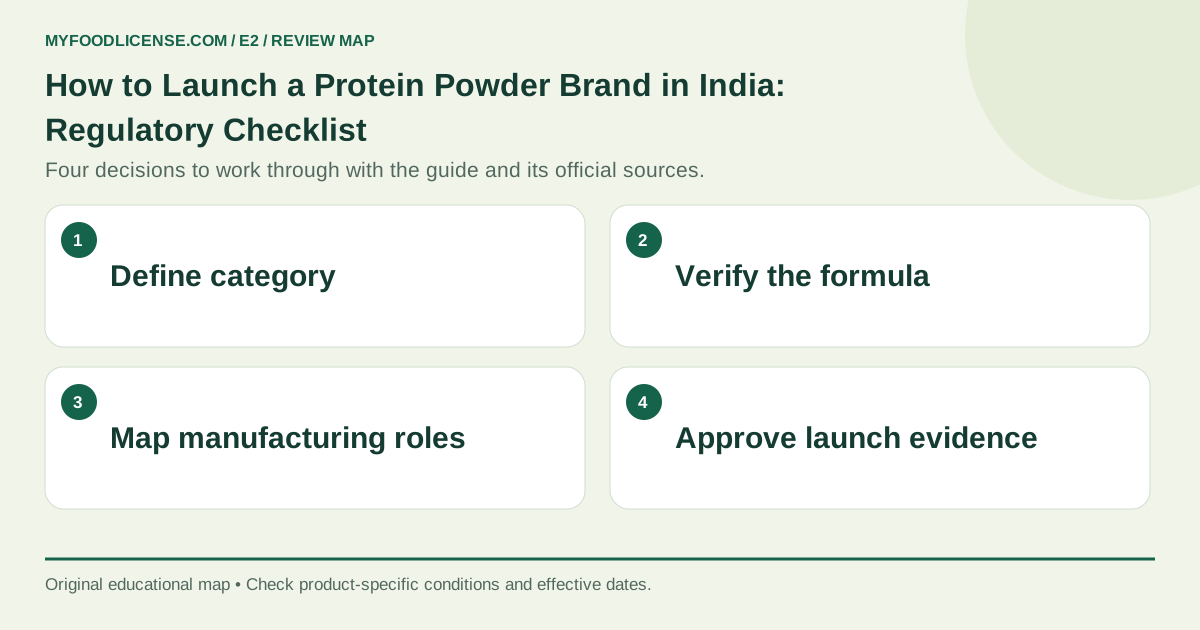
In this guide
Define the product and audience
Record whether the powder supplements the normal diet, serves a specialised requirement or has another intended use. Assess adult, sports and medically directed positioning separately. The product’s category cannot be inferred from the words protein powder alone. Compare specialised categories.
Verify the complete formulation
Obtain protein-source specifications, blend ratios, flavour systems, sweeteners, enzymes and other additions. Review ingredient permission, allergens and nutrient contribution. Whey and a plant blend can have different source and allergen questions; supplier marketing claims are not complete formulation evidence. Read specialised formulation requirements.
Map factory and brand roles
Check the manufacturer’s premises, KoBs and product scope. Assess the brand’s relabeller or other role and any importer activity. The 2026 table gives listed supplement and nutraceutical manufacturing a Central route irrespective of turnover. Read manufacturing eligibility.
Establish specifications and stability
Define the required identity, composition, microbiological and other relevant tests for the category and ingredients. Plan batch records and packaging that protects the product under its stated storage conditions. Keep testing scope and acceptance criteria explicit rather than buying a generic compliance certificate.
Approve label and claims before launch
Check serving and daily usage, nutrition units, category statements, warnings and responsible-business declarations. High-protein and other messages must use the applicable specialised claim position. Avoid treatment promises and unsupported athlete testimonials. Review labels; review claims.
A worked example
Hypothetical example
A brand chooses a whey blend but later adds a botanical and digestive enzyme for stronger marketing. The revised recipe triggers ingredient, dose and claim review before pilot manufacture. The brand does not assume the factory’s previous plain-protein product assessment covers the additions.
Your practical checklist
- Define category, users and daily usage.
- Collect every ingredient and premix specification.
- Check allergens, permission and levels.
- Map manufacturer and brand authorisations.
- Set testing and stability criteria.
- Approve warnings, nutrition and claims.
Download this preparation checklist
For help applying this review to your business, explore our Complex / Nutraceutical Launch service. Bring the documents described above so the consultation can focus on the decisions still unresolved.
Frequently asked questions
Does a contract factory’s licence cover my brand automatically?
Assess both parties’ actual roles and authorisations.
Can I copy the factory’s nutrition panel?
Use evidence for the actual final formula and reporting basis.
Are all protein claims identical?
No. Category and applicable claim provisions matter.
Do added enzymes need review?
Yes. Every addition requires the applicable permission and use assessment.
Should packaging be reviewed for stability?
Yes. Storage and product protection must fit the shelf-life evidence.
Official sources and further reading
Checked on 2 October 2026. Gazette notifications and operative directions prevail over compilations and summaries, including this guide.
- Operationalised supplement provisions, 29 March 2022 direction: Definitions, schedules, dosage, category-specific warnings and product requirements; read with later directions.
- FoSCoS revised Kind-of-Business eligibility table, 2 April 2026 file: Activity-specific eligibility and annual fees. The PDF itself is marked updated 1 April 2026; relevant rows appear on pages 3, 6, 7 and 9.
- Advertising and Claims Regulations compendium, Version IV, 14 December 2022: Nutrition-claim thresholds and general claim conditions. Protein uses RDA-based alternatives, not a universal percentage-of-energy rule.
- Labelling and Display Regulations compendium, Version VIII, 9 September 2025: Regulation 5: retail declarations, nutrition, dates and allergens. Read alongside later amendments and directions.
This guide is general information, not legal advice; the right route depends on your product and business facts. Examples marked hypothetical are illustrations, not client cases. MyFoodLicense is an independent consultancy and is not affiliated with FSSAI; applications are decided by the competent authority on the official FoSCoS portal.